

TL;DR
Financial advisor events work best when they are part of a larger marketing journey, not treated as one-time campaigns. This blog covers how to choose the right event topic, promote it with multiple touchpoints, follow up with attendees and no-shows, and keep the conversation going through nurture. It also links to additional Snappy Kraken blogs with practical advisor event ideas, including seasonal events, client appreciation ideas, and compliance-conscious ways to make event budgets go further.
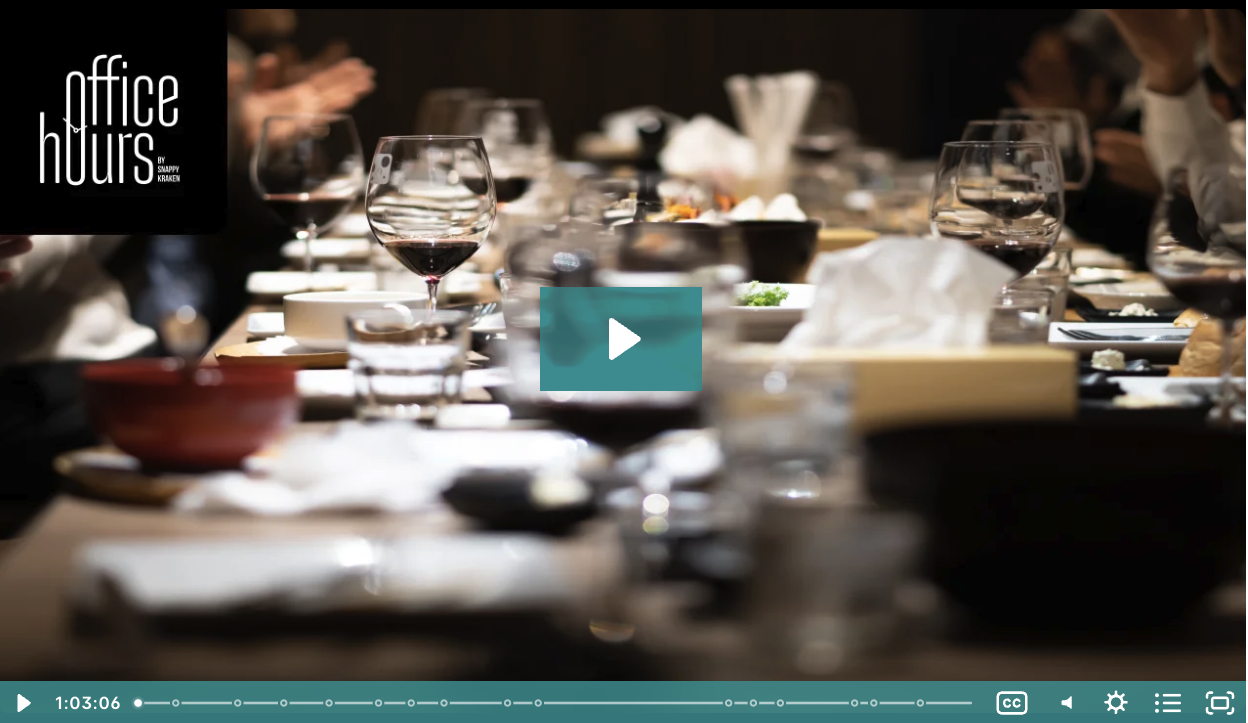
Client events can be one of the most valuable marketing tools for financial advisors.
They create connections, encourage engagement, and let prospects experience your expertise in a low-pressure setting. When done well, they can spark referrals, deepen relationships, and open the door to meaningful conversations.
But here’s where many advisors lose momentum: They treat the event as the finish line. The invitations go out. The room gets filled. The presentation happens. The event ends. Maybe one follow-up email gets sent.
Then everyone moves on.
In our recent Office Hours webinar, we talked about a better way to think about events: not as one-off campaigns, but as part of a larger marketing and relationship-building system.
The event itself should be the midpoint, not the end.
Events Should Fit Into a Larger Growth System
A strong event strategy has three connected phases:
Before the event: Generate interest, drive registrations, and give clients enough time to invite guests or refer someone.
During the event: Deliver value, create connections, capture notes, and identify what attendees care about.
After the event: Follow up, nurture interest, segment communication, and guide people toward the next step. (Interested in learning how to engage prospects? Check out our 2026 Lead Lifecycle Series for Financial Advisors)
That last phase is where the biggest opportunity often lives.
Many advisors do the hard work of planning and hosting an event, then stop short of turning that momentum into ongoing marketing. But the real value of an event often comes from what happens after people leave the room or close the webinar window.
A prospect may not be ready to book a meeting the next day. A client may need a few more touchpoints before a referral is brought up. A no-show may still be interested, even if they couldn’t attend.
That’s why your event should connect to a broader nurture path.
Start With the Right Topic
The best event topic is not always the newest or flashiest.
It’s the one your audience actually cares about.
For financial advisors, relevance matters more than novelty. A great event topic should connect three things:
- Your audience’s current concerns
- Your firm’s expertise
- The next conversation you want to create
For example, a retirement planning workshop could lead naturally into Social Security content, income planning resources, and a consultation invitation.
A tax planning event could lead into year-end planning conversations.
A market update could help calm client uncertainty while reinforcing your role as a trusted guide.
Promotion Starts Before the First Invite Goes Out
Good event promotion is not just “send one email and hope people register.”
You need a clear promise.
What will attendees learn? What will they gain? Why should they care right now?
A vague topic like “Join us for a financial seminar” is easy to ignore. A more specific promise gives people a reason to attend.
For example:
“Five retirement decisions to make before you leave work.”
“How year-end tax planning could affect your 2026 financial picture.”
Once you have the promise, use multiple touchpoints. A simple webinar promotion sequence could include:
- Announcement/Invitation
- Reminder
- Last-chance email
- Day-before reminder
- Day-of reminder
For in-person events, earlier promotion is even more important, especially if you want clients to bring guests. People need time to plan, ask a friend, coordinate with family, and RSVP.
The Follow-Up Should Be Written Before the Event Happens
One of the biggest takeaways from the webinar was this: Your follow-up should not be an afterthought. Before the event happens, you should already know what message will go to attendees, no-shows, clients, prospects, and referral partners.
At a minimum, attendees and no-shows should not receive the same message.
An attendee might receive: “Thanks for joining us. Here are the key takeaways and next steps.”
A no-show might receive: “Sorry we missed you. Here’s the replay or a recap of what we covered.”
A prospect might receive: “It was great meeting you. Would you like to talk about how this applies to your financial plan?”
That segmentation matters because it acknowledges the individual's experience. It makes the communication feel more human and less automated.
Move attendees into a relevant nurture path. If they attended a retirement workshop, send retirement-related content. If they attended a tax planning webinar, send year-end planning resources. If they joined a market update, continue sharing a timely perspective.
The goal is to keep the conversation warm until they are ready.
Don’t Let the Conversation Go Cold
Not every event lead is ready for a meeting immediately. Some people need more time. Some want to learn more first. Some are interested but busy. Some are still getting comfortable with you.
That does not mean they are bad leads. It means they need nurture.
Post-event nurture helps you reinforce your expertise, stay visible, and create repeated opportunities for the next step. This can include educational emails, blog content, social posts, webinar invitations, consultation prompts, and personal outreach.
For example, after a retirement workshop, you might follow up with:
- A Social Security planning article
- An income planning checklist
- A tax planning consideration
- A reminder to schedule a one-on-one conversation
- An invitation to a future webinar
This approach feels helpful instead of pushy.
Use Events to Support the Next Campaign
Every event should have a job.
Before you plan the venue, food, topic, speaker, or invite list, ask:
- Who is this for?
- What does it support?
- What should happen next?
A client appreciation event might support referrals, retirement workshop might support prospecting, tax planning check-in might support year-end appointment setting, a market update might support client retention and confidence and so on.
This is where your event strategy connects directly to your marketing calendar. The event is not separate from your campaigns. It should feed into them.
That is especially useful for seasonal events. For example, if you are planning year-end client engagement, our post on holiday events financial advisors can actually do before the end of the year offers practical ideas like virtual holiday workshops, small lunches, experience-in-a-box gifts, and pie pickup events.
And if compliance-friendly client touchpoints are part of the plan, our guide on how to stretch the FINRA $100 gifts, gratuities, and non-cash compensation limit shares creative ways to make a limited per-person budget feel more meaningful through experiences, group events, educational gatherings, and thoughtful personalization.
Four Event Ideas Advisors Can Use This Year
1. Market Update Event
Market updates help clients and prospects understand how current conditions may affect their plan.
These can work well as webinars, lunch-and-learns, cocktail-hour presentations, or annual client events. They are also a natural fit for wholesaler or investment partner speakers.
Use this type of event when clients are uncertain, headlines are noisy, or you want to reinforce long-term perspective.
2. Retirement Planning Workshop
Retirement planning is one of the most universally relevant topics advisors can cover.
You can make the topic broad, such as “Five Decisions to Make Before Retirement,” or narrow, such as Social Security, income planning, tax-efficient withdrawals, or what to do in the five years before retirement.
These events work well for both clients and prospects because the topic naturally leads to personal planning conversations.
3. Client Appreciation Event
Client appreciation events are relationship builders.
They can be seasonal, family-friendly, educational, or purely experiential. Think movie theater rentals, local baseball games, volunteer events, food trucks, flower-arranging workshops, cooking classes, or small holiday gatherings.
The best client appreciation events feel personal and memorable. They also give clients a natural reason to talk about your firm with others.
4. Tax Planning Check-In
Tax planning events create urgency because deadlines matter.
These can work well in the fall before year-end planning, early in the year before tax filing season, or shortly after tax season when people are thinking about what they want to do differently next year.
You can also partner with CPAs, wholesalers, or other subject-matter experts to add credibility and reach.
For more event inspiration, including seasonal and easy-to-execute ideas, read Holiday Events Financial Advisors Can Actually do Before the End of the Year
OR
How to Stretch the FINRA $100 Gifts, Gratuities and Non-Cash Compensation for more interactive virtual event ideas.
The Bottom Line
Events can work harder than most advisors realize when they are built as part of a larger marketing journey. They are not just dates on the calendar, rooms to fill, or one-time campaigns.
A strong event strategy creates momentum before the event, connection during the event, and continued opportunity after it ends.
That means thinking through the full experience: who the event is for, what topic will resonate, how you will invite and remind people, what experience you want to create, and how you will follow up afterward.
When the audience, promotion, event experience, segmented follow-up, nurture path, and next campaign all work together, events become more than memorable moments. They become a repeatable growth system.
Ready to Make Your Events Work Harder?
Snappy Kraken helps financial advisors promote events, follow up with attendees and no-shows, nurture prospects, and stay connected with clients through automated, done-for-you marketing campaigns.
Book a demo today to see how Snappy Kraken can help you turn every event into a smarter marketing opportunity.
Book A Demo Today
Discover how Snappy Kraken helps advisors grow with a powerful marketing system
Request a demoJoin the 25,000+ financial advisors and firms who get marketing insights and strategies right to their inbox!
Enjoy this post? Share it with others.


Wondering if Snappy Kraken is right for you?